Precision Covalent Drug Discovery
TECHNOLOGY
Agneya BioSciences is an early-stage biotechnology company developing isoform-selective therapeutics for oncology through precision covalent drug discovery
Our strategy focuses on identifying non-conserved structural features within closely related protein isoforms and using them to create molecular recognition opportunities that conventional active-site drug discovery may overlook


APPROACH
Our Unique Approach
We leverage advanced structural biology and computational modeling to design covalent drugs with unprecedented specificity.
Isoform-Specific Targeting: Differentiating between closely related protein structures to minimize off-target effects.
Covalent Drug Design: Engineering stable molecular bonds for prolonged therapeutic efficacy and potency.
Our unique approach follows a structured Isoform Biology workflow:
• Isoform Biology
• Non-Conserved Structural Site
• Dynamic Pocket Identification
• Precision Covalent Design
• Experimental Validation
• Lead Optimization
Why covalent?
Covalent chemistry can provide durable target engagement and access to binding opportunities that may be difficult to exploit through conventional reversible inhibitors. When combined with carefully selected non-conserved structural environments, covalent design offers a potential route to pharmacological selectivity within highly homologous protein families.

Designed for selectivity
ABS' strategy does not rely on cysteine reactivity alone. Selectivity is designed through the combination of a chemically addressable residue, its surrounding three-dimensional environment and additional molecular interactions unique to the target isoform.

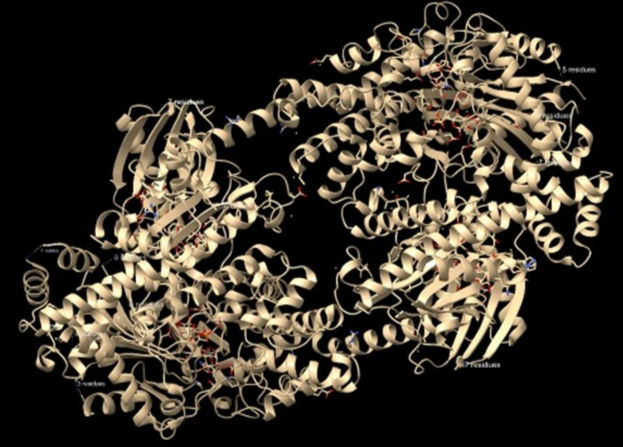
AKT1
Selective inhibition of oncogenic AKT1 signaling
AKT signaling is a central regulator of cancer growth, survival and metabolism. However, the high structural similarity among AKT isoforms has historically complicated efforts to achieve pharmacological isoform selectivity. ABS is developing covalent molecules targeting a non-conserved regulatory microenvironment in AKT1, with the goal of selectively modulating AKT1 while minimizing engagement of closely related AKT isoforms.
Stage: Lead discovery / experimental validation
Therapeutic focus: Oncology
Modality: Isoform-selective covalent small molecule

Hexokinase 2 (HK2)
Precision targeting of tumor metabolism
HK2 is frequently upregulated in highly glycolytic cancers and contributes to metabolic programs that support tumor growth and survival. Closely related hexokinase isoforms perform important physiological functions, creating a strong rationale for isoform-selective pharmacology. ABS is applying its precision covalent discovery platform to identify non-conserved structural opportunities capable of selectively targeting HK2 while minimizing interference with related hexokinase isoforms.

Stage: Discovery
Therapeutic focus: Oncology / cancer metabolism
Modality: Isoform-selective covalent small molecule
ABS' portfolio focuses on overcoming resistance mechanisms in oncology by developing next-generation covalent therapies that achieve absolute selectivity for oncogenic isoforms.

PIPELINE

AKT1 and HK2 represent the first applications of a broader discovery strategy
Agneya BioSciences is building a precision covalent drug discovery platform around the simple principle of closely related proteins can contain non-conserved structural features that create opportunities for selective pharmacological intervention.
Our goal is to extend this strategy to additional therapeutically important protein families in oncology and beyond.

TEAM
Pioneering the future of precision medicine with a dedicated group of scientific experts and industry leaders.
We operate through a capital-efficient model integrating internal scientific strategy with specialized academic collaborators, computational scientists, medicinal chemists and contract research organizations.

Dr. Gopal Ramakrishnan
Founder & CEO
Dr. Ramakrishnan is a cancer biologist and biotechnology scientist with experience spanning academic research, therapeutic discovery, translational development and early-stage clinical programs. His work has included cancer signaling, immuno-oncology and cell therapy, with experience advancing programs from mechanistic research and preclinical development through IND-enabling activities, CMC and clinical translation. Prior to founding Agneya BioSciences, he held academic and biotechnology leadership roles and contributed to programs supported by federal, foundation and translational research funding. His earlier research on AKT isoform biology helped inform ABS' focus on isoform-selective therapeutic discovery.

Prof. Nissim Hay
Scientific Advisor & Wet Lab Collaborator
Prof Hay is a Distinguished Professor of Biochemistry and Molecular Genetics at the University of Illinois at Chicago. His laboratory laid the groundwork for the role of the serine/threonine kinase Akt as the major downstream effector of growth factor-mediated cell survival and required for the activation of mTORC1. They were the first to show that genetic ablation of Akt sensitizes cells to cell death in vivo (cited 1285 times) and, over the years, have delineated the mechanisms by which Akt affects tumorigenesis and metabolism, both at the cellular and organismal levels. Dr Hay’s lab was the one that developed the systemic deletion models of Akt isoforms, which showed that Akt1 inhibition is well tolerated and inhibits both tumor development and metastasis, whereas Akt2 inhibition induces hyperinsulinemia and does not inhibit, thereby providing genetic proof of concept and the foundation for our programs.

PUBLICATIONS
Agneya Bio Sciences is committed to advancing the field of oncology through transparent, peer-reviewed scientific discovery and collaborative research.
October 2020
Cell-Autonomous versus Systemic Akt Isoform Deletions Uncovered New Roles for Akt1 and Akt2 in Breast Cancer
Xinyu Chen, Majd M. Ariss, Gopalakrishnan Ramakrishnan, et al., Molecular Cell
February 2022
A non-catalytic scaffolding activity of hexokinase 2 contributes to EMT and metastasis
Catherine S. Blaha, Gopalakrishnan Ramakrishnan, et al., Nature Communications
May 2017
Akt as a target for cancer therapy: more is not always better (lessons from studies in mice)
Qi Wang, Xinyu Chen & Nissim Hay, British Journal of Cancer
August 2013
Hexokinase 2 is required for tumor initiation and maintenance and its systemic deletion is therapeutic in mouse models of cancer
Krushna C Patra, Qi Wang, Prashanth T Bhaskar et al., Cancer Cell